The Dybbuk Box: Cursed Wine Cabinet of Anguish
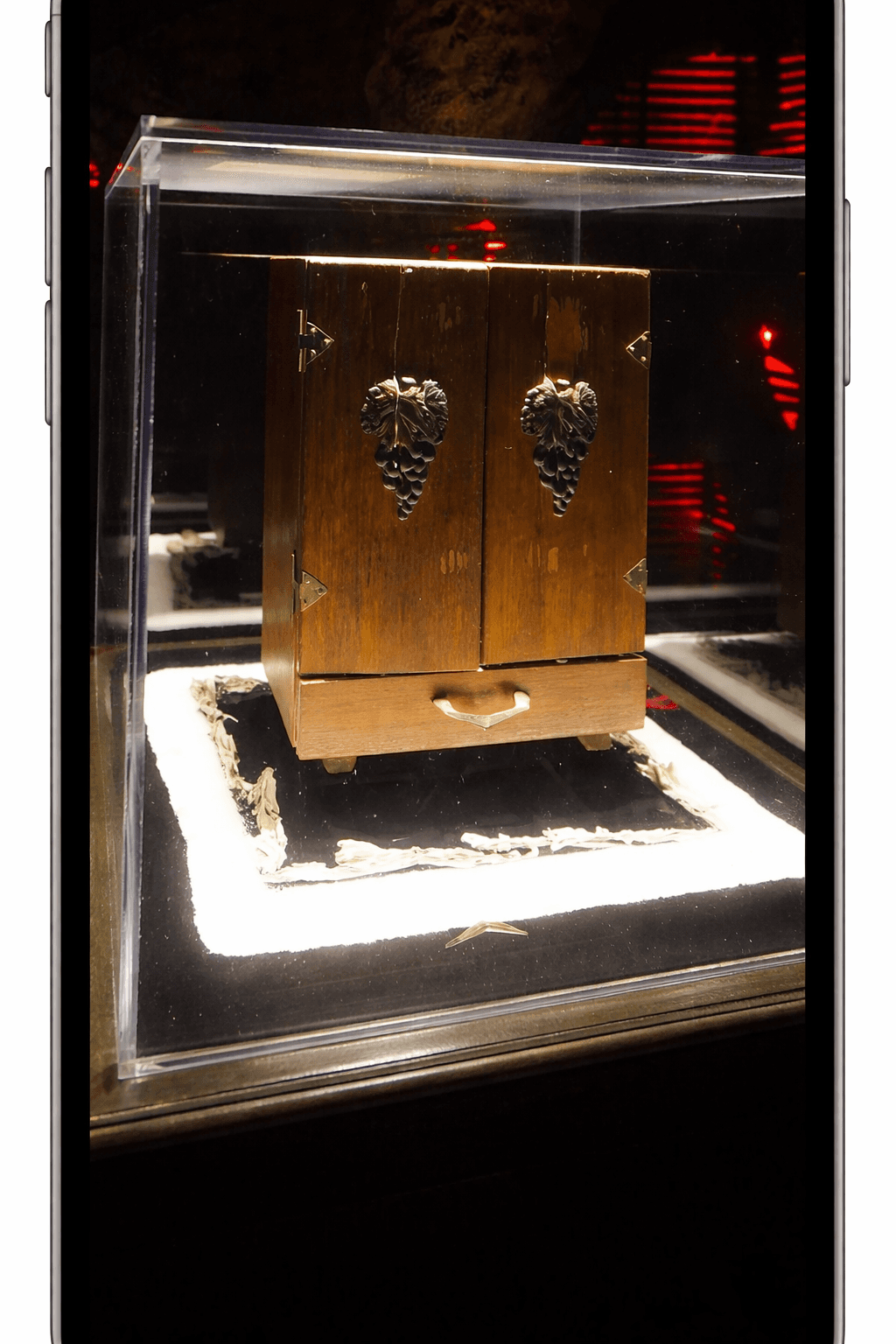
Antique wine cabinet allegedly containing malevolent spirit causes supernatural terror across multiple owners. Originally sold at Portland estate sale in 2001.
In 2001, antique dealer Kevin Mannis purchased a simple wooden wine cabinet at a Portland estate sale, unaware he was acquiring what would become America's most notorious haunted object. The dybbuk box - named after malevolent spirits in Jewish folklore - allegedly unleashed a cascade of supernatural terror upon every owner. Mannis reported nightmares, strange odors, and inexplicable accidents within days of the purchase. When he gifted the box to his mother, she suffered a stroke immediately after opening it. Subsequent owners experienced hair loss, mysterious illnesses, and terrifying apparitions. The box's contents - including two pennies, a lock of hair, and a small statue - seemed innocuous, yet each owner desperately sought to rid themselves of the cabinet. The case gained international attention through eBay auctions and eventually inspired horror films, making it a cornerstone of modern paranormal investigation.
Original eBay Auction Documentation
Medical Records from Multiple Owners
Museum Containment Protocols
Photographic Evidence of Anomalies
"I bought the wine cabinet at an estate sale in Portland. The woman selling it told me it had belonged to her grandmother, a Holocaust survivor, and that her family wanted nothing to do with it. She said strange things happened when it was opened. I thought she was just trying to add mystique to increase the price."
Kevin Mannis, owner of a refinished furniture store in Portland, Oregon, purchased the wooden wine cabinet in September 2001 for $45. As an experienced antique dealer with over twenty years in the business, he initially dismissed the seller's warnings as sales tactics. Within days of bringing the box home, Mannis reported experiencing nightmares, strange odors resembling cat urine and jasmine flowers, and a series of accidents including cuts requiring stitches. When he gave the box to his mother as a birthday gift, she suffered a stroke immediately after opening it, though she had no previous history of cardiovascular problems.
"Within three weeks of buying the box, I started losing my hair in clumps. I developed a persistent cough and broke out in hives all over my body. My doctors couldn't find any medical reason for these symptoms. I had to get rid of that thing."
Iosif Nietzke, a college student from Missouri, purchased the Dybbuk Box from Kevin Mannis's eBay auction in June 2003. As a healthy 20-year-old with no previous medical conditions, the sudden onset of severe physical symptoms alarmed both him and his family. Nietzke documented his experiences with photographs and medical visits, eventually selling the box after only four months of ownership. His symptoms reportedly ceased within weeks of the sale, though some hair loss proved permanent.
SHOW 2 MORE WITNESS STATEMENTS
"I'm a man of science, but I can't explain what happened when I first opened that box. The smell hit me immediately - like rotting eggs mixed with flowers. Within hours I developed a metallic taste in my mouth that lasted for weeks. I knew I had to take this seriously."
Jason Haxton, Director of the Museum of Osteopathic Medicine in Kirksville, Missouri, acquired the Dybbuk Box in 2004 after tracking its history through multiple owners. With a background in medical science and museum curation, Haxton approached the box skeptically but maintained detailed documentation of his experiences. He implemented unprecedented containment protocols based on consultation with rabbinical authorities and continues to house the box under controlled conditions. His book "The Dibbuk Box" remains the most comprehensive documentation of the object's history and alleged supernatural effects.
"My grandmother always kept that box in her sewing room, but she never let anyone touch it. She said it held a bad spirit that followed her from the old country. When she died, we just wanted it out of the house. Strange things happened when it was around."
The granddaughter of the box's original owner conducted the Portland estate sale where Kevin Mannis first acquired the wine cabinet. According to Mannis's account, she was eager to sell the box and specifically warned potential buyers about its supernatural reputation. As the intermediary between the Holocaust survivor's estate and subsequent owners, her testimony provides the only link to the box's pre-2001 history. Her identity remains protected, and her account exists only through Mannis's later documentation of their conversation.
Authentic Dybbuk Possession
Paranormal researchers propose the box genuinely contains a dybbuk - a malevolent spirit from Jewish mysticism that possesses objects or people. Rabbi Jason Miller and other theological scholars note that dybbuks traditionally attach to items with emotional significance, particularly those belonging to individuals who died in distress.
Proponents cite the consistent manifestations across multiple owners who initially had no knowledge of the box's reputation. The phenomena reportedly began before any media attention, suggesting authenticity rather than suggestion. Physical evidence including photographs of strange shadows and unexplained medical symptoms lend credence to supernatural explanations.
However, traditional Jewish scholars question whether a dybbuk would remain bound to a wine cabinet, as these spirits typically seek human hosts. The commercialization of the box through eBay sales also contradicts typical folklore, where cursed objects are destroyed rather than sold.
Psychological Contagion Effect
Psychology researchers propose the Dybbuk Box demonstrates mass psychological contagion - where suggestion and expectation create genuine physical and emotional symptoms. Academic studies of anomalistic psychology explain how nocebo effects can produce real illness when individuals believe they're exposed to harmful influences.
The theory gains support from the box's media timeline - phenomena intensified after internet publicity made owners aware of its supposed curse. Stress-induced symptoms including hair loss, insomnia, and anxiety perfectly match reported supernatural effects. The human brain's pattern recognition system interprets coincidental events as supernatural when primed by belief.
Yet this explanation struggles with pre-publicity incidents and the intensity of reported phenomena. Can psychological suggestion alone cause the immediate stroke suffered by Mannis's mother, or the severe health problems experienced by multiple owners?
Elaborate Hoax and Marketing Scheme
Skeptical investigators suggest the entire Dybbuk Box phenomenon represents an elaborate hoax designed to generate profit through media attention and sales. The timing of Kevin Mannis's financial difficulties coincided perfectly with the box's supernatural emergence, providing clear motivation for fabrication.
Evidence includes inconsistencies in Mannis's story over time, the convenient eBay auction format that maximized publicity, and the eventual Hollywood movie deal that generated substantial revenue. The lack of verifiable documentation from the original estate sale raises additional questions about the box's true provenance.
However, this theory requires explaining why subsequent owners would continue the deception without apparent benefit. The genuine distress exhibited by multiple individuals suggests either remarkable acting ability or that the hoax took on a life of its own, creating real psychological effects through the power of suggestion alone.
Residual Trauma Imprint
Paranormal theorists propose the box contains residual emotional energy from its original owner's traumatic experiences during the Holocaust. This psychic imprint theory suggests intense emotional events can embed themselves in physical objects, creating ongoing supernatural phenomena without requiring conscious spirit activity.
Supporters point to the box's concentration camp origins and the extreme trauma experienced by its original owner. Psychometric researchers claim objects can retain emotional frequencies that sensitive individuals unconsciously detect, triggering physiological and psychological responses that manifest as supernatural experiences.
The theory explains why phenomena are consistently negative rather than randomly supernatural - trauma imprints would naturally produce distressing effects. However, scientific testing has never demonstrated measurable energy fields around supposedly haunted objects, and the mechanism by which emotional energy could embed in wood remains unexplained by conventional physics.
Fungal or Chemical Contamination
Some researchers propose the box's effects stem from biological or chemical contamination rather than supernatural causes. Toxic mold species or chemical residues from the box's construction or storage could produce the reported symptoms including respiratory problems, neurological effects, and skin conditions.
Stachybotrys mold commonly found in old wooden furniture can cause severe health problems including hair loss, fatigue, and respiratory distress - matching many reported Dybbuk Box symptoms. The box's musty odor frequently mentioned by owners supports contamination theories. Additionally, psychological stress from believing in a curse could lower immune function, making individuals more susceptible to environmental toxins.
This theory provides a rational explanation for genuine physical symptoms while accounting for the box's consistent negative effects. However, immediate symptoms reported by some owners occur too rapidly for typical mold exposure, and the theory doesn't address more exotic phenomena like apparitions or electronic disturbances claimed by witnesses.
The Dybbuk Box represents a fascinating intersection of folklore, psychology, and viral marketing. While multiple owners report genuine distress and unusual experiences, skeptics note the timing coincides with increased paranormal media consumption. The box's fame may create expectation bias - owners anticipating supernatural events interpret normal occurrences as paranormal. However, the consistency of reported phenomena across different owners who initially knew nothing of its reputation suggests something beyond mere suggestion. Whether supernatural or psychological, the Dybbuk Box demonstrates the powerful impact of belief on human experience.