The Zodiac Killer: America's Most Elusive Serial Predator
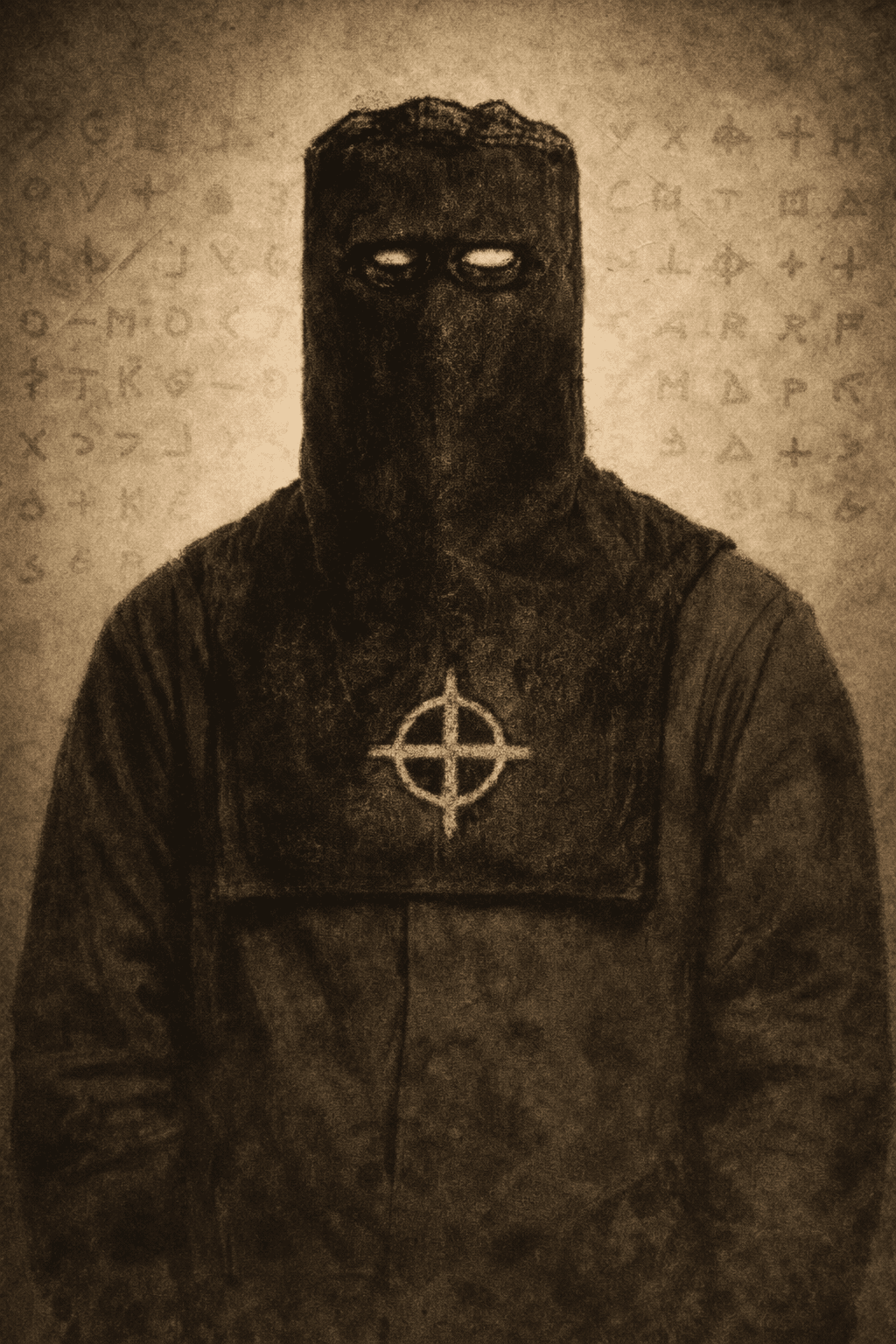
Unidentified serial killer terrorized Northern California, 1968-1969. Sent cryptic ciphers to newspapers, claimed 37 victims, never caught.
Between 1968 and 1969, an unknown assailant murdered at least five confirmed victims across Northern California's Bay Area. The killer dubbed himself "Zodiac" in letters sent to local newspapers, including four cryptographic ciphers that taunted police and the public. His confirmed victims included high school students Betty Lou Jensen and David Faraday, college students Darlene Ferrin and Mike Mageau (Mageau survived), and cab driver Paul Stine. The killer claimed responsibility for 37 murders total, though only seven attacks are definitively linked to him. His 340-character cipher remained unsolved for 51 years until decoded in 2020. Despite generating over 2,500 suspects and countless investigations, the Zodiac's identity remains unknown. The case represents one of America's most infamous unsolved serial killer mysteries, spawning decades of amateur sleuths, conspiracy theories, and cultural fascination.
Zodiac Letters and Ciphers
Paul Stine Cab Shirt Fragment
Lake Berryessa Attack Scene
Donald Fouke Police Sketch
Ballistics Evidence
Phone Call Recordings
"He was a white male, about five feet eight inches, real heavyset, beefy build... He wasn't blubbery fat, but real beefy, heavyset... kind of barrel-chested."
Mageau was 19 years old when attacked with girlfriend Darlene Ferrin at Blue Rock Springs Park on July 4, 1969. Despite being shot multiple times, he survived and provided the most detailed physical description of the Zodiac killer. His testimony described the attacker's methodical approach - using a flashlight to blind them before shooting. Mageau spent months recovering from his injuries and worked with police to develop composite sketches. His description of the killer's stocky build and calm demeanor became crucial elements in the official suspect profile.
"I'm positive he was not professional military. He seemed to be in good physical condition. He did not seem nervous... He was very matter of fact, like he had done it before."
Hartnell was a 20-year-old Pacific Union College student picnicking with girlfriend Cecelia Shepard when approached by a hooded figure claiming to be an escaped convict. The attacker wore a black executioner-style hood with a white zodiac symbol. Hartnell survived multiple stab wounds while Shepard died from her injuries. His detailed account of the killer's costume, voice patterns, and methodical behavior provided investigators with crucial insights into Zodiac's planning and psychological state. Hartnell later assisted with voice identification attempts and remained involved in the investigation for decades.
SHOW 3 MORE WITNESS STATEMENTS
"He was a white male adult, approximately 35 to 45 years of age, 5'10", 180 to 200 pounds, medium heavy build, barrel chest, medium complexion, light colored hair possibly graying in the rear."
Fouke was patrolling the Presidio Heights area when he encountered a man walking away from the Paul Stine murder scene on October 11, 1969. Due to a radio miscommunication describing the suspect as black, Fouke didn't stop the individual. Only later did he realize he likely saw the Zodiac killer. His detailed observation formed the basis for the most widely circulated police sketch. Fouke's testimony about the suspect's confident walking pace and casual demeanor suggested someone familiar with the neighborhood and unperturbed by the nearby police presence.
"The voice was very calm, very soft spoken. He seemed to be in complete control of himself. He wasn't excited, he wasn't out of breath... It was like he was reading something."
Slover was working as a dispatcher for Vallejo Police Department when she received the July 5, 1969 phone call from someone claiming responsibility for the Blue Rock Springs attack. The caller's unnaturally calm demeanor and precise speech patterns struck her as particularly unsettling. She noted the caller seemed to have prepared remarks and showed no emotion while describing the shooting. Her detailed recollection of the call's tone and content helped investigators understand Zodiac's psychological profile and his desire for media attention. The call was recorded but audio quality limited further analysis.
"He just seemed like a normal person, but there was something about him... When I saw that composite drawing in the newspaper, I knew it was him."
Johns claimed that on March 22, 1970, a man offered to help with her car trouble near Modesto, then abducted her and her infant daughter for several hours before she escaped. She later identified the man from police sketches as resembling the Zodiac killer. However, her account remains controversial among investigators - some question timeline inconsistencies and her delayed reporting. Johns described her captor as methodical and strangely calm, consistent with other Zodiac encounters. Her car was found burned, but no physical evidence definitively linked the incident to Zodiac, making her testimony circumstantial rather than conclusive.
Arthur Leigh Allen Theory
Prime suspect identified by witness Don Cheney who claimed Allen discussed Zodiac-like plans. Allen owned same ammunition type, lived near crime scenes, and worked at Ace Hardware where Zodiac-brand watches were sold. However, DNA evidence and handwriting analysis have largely excluded him, though some investigators argue evidence contamination.
Military/Intelligence Background
Zodiac's sophisticated ciphers, knowledge of police radio frequencies, and precise shooting skills suggest military or intelligence training. His ability to evade capture despite heavy police presence indicates advanced surveillance countermeasures. Some theorists point to his Wing Walker boot prints and familiarity with military terminology as evidence of service background.
Multiple Perpetrators Theory
Inconsistencies in handwriting samples, varying physical descriptions from survivors, and different methodologies between attacks suggest multiple killers using the Zodiac identity. This theory explains why DNA evidence has been inconclusive and why the killer's behavior patterns changed over time, particularly the shift from couples to the Paul Stine taxi murder.
Gary Francis Poste Theory
Case Breakers investigative team claimed deceased Poste was Zodiac based on cipher analysis, facial recognition technology, and scars matching witness descriptions. They allege his involvement in Cheri Jo Bates murder and point to anagram connections. However, FBI and local law enforcement have not endorsed these findings, citing insufficient evidence.
Unabomber Connection Theory
Some researchers note similarities between Zodiac and Theodore Kaczynski (Unabomber), including handwriting characteristics, mathematical cipher knowledge, and anti-establishment themes. Both operated in California and demonstrated advanced technical skills. However, timeline analysis and Kaczynski's documented whereabouts during key Zodiac periods largely contradict this theory.
Copycat Letter Theory
Not all Zodiac letters may be authentic. Handwriting analysis shows inconsistencies between early confirmed letters and later communications. The 1974 letter particularly differs from established patterns. This suggests opportunistic copycats exploited the Zodiac identity, complicating investigations and potentially misdirecting resources toward fabricated clues and false behavioral profiles.
Local Knowledge Theory
Zodiac's intimate familiarity with remote locations like Lake Berryessa, escape routes, and police response times suggests deep local knowledge. His ability to disappear quickly after attacks indicates either longtime residency or professional reconnaissance. The Paul Stine murder location near Presidio Heights may have been chosen for its proximity to his residence or workplace.
While the Zodiac's crimes are absolutely verified, his identity remains one of criminology's greatest mysteries. Recent DNA analysis has excluded several prime suspects, including Arthur Leigh Allen. The 2020 cipher solution proved the killer's communications were authentic but revealed no identifying information. New forensic techniques offer hope, but after 55+ years, physical evidence degradation and witness mortality present significant challenges. The case demonstrates both the limitations of 1960s investigative technology and the enduring puzzle of a methodical killer who simply vanished.