Boy in the Box
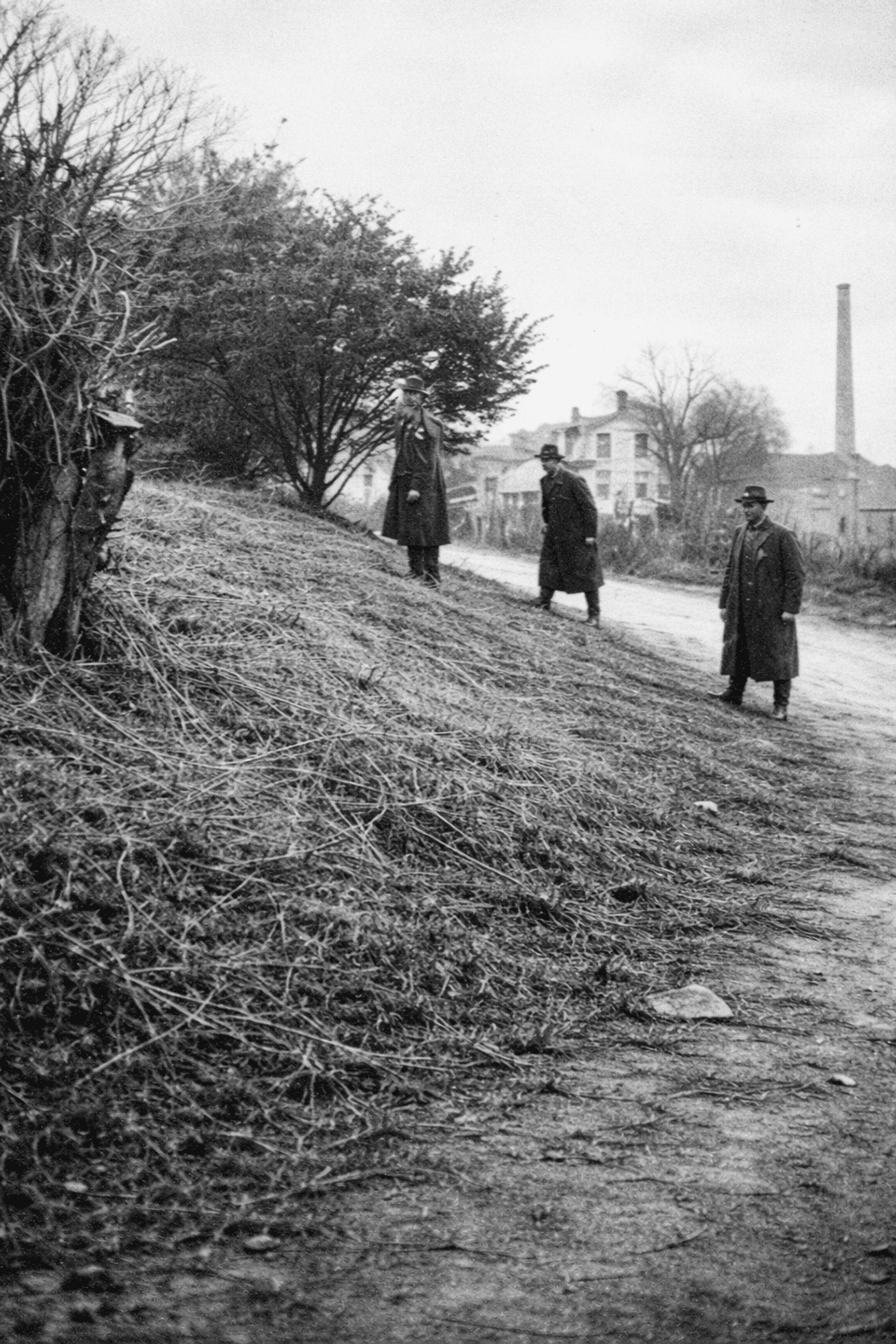
Unidentified child found brutally murdered in Philadelphia's Fox Chase neighborhood. Despite decades of investigation, his identity remains unknown.
On February 25, 1957, a young college student checking muskrat traps in a wooded area of Fox Chase, Philadelphia made a horrifying discovery. Inside a discarded JCPenney bassinet box, wrapped in a plaid blanket, was the naked body of a malnourished boy, estimated between 4-6 years old. The child had been brutally beaten - his body covered in fresh bruises and old scars indicating chronic abuse. His distinctive bowl haircut appeared freshly cut, possibly post-mortem. Despite massive publicity campaigns, including 400,000 flyers distributed across the Philadelphia area and beyond, the boy's identity has never been established. The case spawned numerous theories, from human trafficking to foster care negligence, but after 65 years, America's Unknown Child remains one of the nation's most haunting unsolved mysteries.
Philadelphia Police Case File Documentation
Crime Scene and Autopsy Photographs
JCPenney Bassinet Box and Blanket Analysis
National Missing Person Database Comparisons
Dental and Medical Examination Records
"I was checking my muskrat traps when I saw this box. At first I thought someone had dumped trash, but when I looked inside... I'll never forget what I saw. That poor little boy."
Frank Guthrum was a college student at LaSalle University who regularly checked muskrat traps in the wooded area of Fox Chase as part of a biology project. On the morning of February 25, 1957, he made the grim discovery that would haunt him for decades. As an experienced outdoorsman familiar with the area, Guthrum immediately recognized that the box had been deliberately placed rather than randomly discarded. His detailed recollection of the scene provided crucial timeline evidence for investigators.
"In twenty-three years on the force, I'd never seen anything like it. Someone had taken care to wrap that child, almost like they cared about him, but the condition he was in... it was clear he'd suffered terribly."
Officer Elmer Palmer was the first Philadelphia police officer to respond to Guthrum's call and secure the crime scene. With over two decades of experience in Philadelphia's Fox Chase district, Palmer had investigated numerous cases involving children, but the Boy in the Box case affected him profoundly. His initial crime scene assessment and evidence preservation proved crucial to the investigation. Palmer noted the contradiction between the careful wrapping of the body and the obvious signs of severe abuse.
SHOW 2 MORE WITNESS STATEMENTS
Philadelphia's Chief Medical Examiner determined that this child had been systematically abused over a long period. The healed fractures, the malnutrition, the fresh injuries - this wasn't a single incident of violence. Someone had been hurting this boy for months, possibly years.
The Chief Medical Examiner who performed the autopsy on the Boy in the Box had extensive experience in forensic pathology. The examination revealed the full extent of the child's suffering and provided crucial evidence about the timeline and nature of the abuse. The medical expertise helped establish that the boy had endured chronic abuse rather than a single violent incident, fundamentally shaping the investigation's direction.
"I remember a man coming by with a big box in his car, asking for directions to the woods area. He seemed nervous, kept looking around. This was maybe a week before they found that poor boy."
An anonymous gas station attendant working at a Sunoco station near the Fox Chase area reported seeing a suspicious individual with a large box approximately one week before the boy's body was discovered. The attendant, who had worked at the station for several years and knew most local customers, found the man's behavior unusual and memorable. While police investigated this lead extensively, the witness could not provide enough detail for a positive identification, and the lead ultimately went cold.
Foster Care System Failure
One prominent theory suggests the boy was part of Philadelphia's foster care system and died from systematic neglect or abuse by his caretakers. This theory gained traction due to the child's obvious signs of chronic malnutrition and healed injuries indicating long-term abuse.
Proponents point to the freshly cut hair as evidence that someone tried to alter his appearance post-mortem, possibly to prevent identification by social workers or foster families who might recognize him. The theory explains why no missing person reports matched the boy - if he was unofficially placed or moved between homes, his absence might not have been immediately reported.
However, extensive searches of foster care records from the 1950s failed to identify any missing children matching his description, raising questions about whether such systematic record-keeping failures were possible even in that era.
Remington Mohawk Theory
Investigators theorized the boy might have been Native American, specifically from the Mohawk reservation near Remington, based on his distinctive facial features and bone structure. This theory emerged when anthropologists suggested his physical characteristics were consistent with indigenous ancestry.
The theory was bolstered by reports that similar JCPenney bassinets were sold in areas near Native American communities, and that the boy's unusual bowl haircut resembled traditional indigenous hairstyles. Some investigators believed he could have been trafficked from the reservation or abandoned by family members facing economic hardship.
Extensive outreach to Mohawk communities and other tribes yielded no missing person matches, and modern DNA analysis has not confirmed Native American ancestry. The theory highlights how racial profiling in 1950s investigations sometimes led down unproductive paths, though it represented genuine attempts to explore all possibilities.
Traveling Family Connection
Some investigators theorized the boy belonged to a traveling family - possibly carnival workers, seasonal laborers, or itinerant families who might not have been immediately missed by local authorities. This theory addressed the puzzling lack of missing person reports matching his description.
The JCPenney bassinet box supported this theory, as it was a common item that traveling families might use for temporary storage or transport. The boy's malnourished condition could indicate a family struggling with poverty and constant movement, making regular medical care or school enrollment unlikely.
While this theory explained the identification challenges, it raised new questions: why would traveling family members dispose of a child so close to a major metropolitan area rather than in a remote location? The theory also struggled to account for the apparent fresh haircut and signs that someone had carefully prepared the body, suggesting local knowledge and resources.
Human Trafficking Network
A darker theory suggests the boy was victim of an organized human trafficking operation that supplied children to abusive networks in the Philadelphia area. This theory emerged from patterns investigators noticed in other missing children cases from the same period.
The boy's chronic injuries and malnourished state suggested prolonged captivity rather than a single abusive incident. The careful disposal of his body and attempt to prevent identification through the haircut indicated sophisticated knowledge of police procedures, possibly by someone with criminal experience.
This theory gained renewed attention when Operation Spotlight investigations in the 2000s revealed extensive historical networks of child trafficking. However, no direct evidence linking the boy to known trafficking operations has emerged, and the theory remains largely circumstantial despite its disturbing plausibility given what we now know about organized abuse networks operating during that era.
Medical Experimentation Cover-up
One controversial theory suggests the boy died during unauthorized medical experiments and was disposed of to cover up the incident. This theory draws from documented cases of unethical medical research conducted on vulnerable populations during the 1950s, including children in institutional care.
The boy's distinctive physical condition and the clinical precision of his preparation for disposal suggested medical knowledge. Some researchers pointed to the fresh haircut as potentially related to medical procedures or examinations rather than identification prevention.
While historical precedent exists for unethical medical research during this period, no specific evidence connects the boy to any known research programs or medical institutions. The theory remains highly speculative but reflects growing awareness of medical ethics violations that were later documented in other cases from the same era.
The Boy in the Box case represents a genuine unsolved homicide with verified physical evidence and extensive documentation. While the child's death is confirmed fact, his identity and killer remain unknown despite one of the largest missing person investigations in Philadelphia history. Recent DNA advances offer new hope, but decades of false leads and debunked theories demonstrate how complex cold cases can generate both legitimate breakthroughs and compelling misinformation. The case stands as a testament to both investigative persistence and the limits of traditional detective work.