The Hinterkaifeck Axe Murders: Germany's Unsolved Farmhouse Massacre
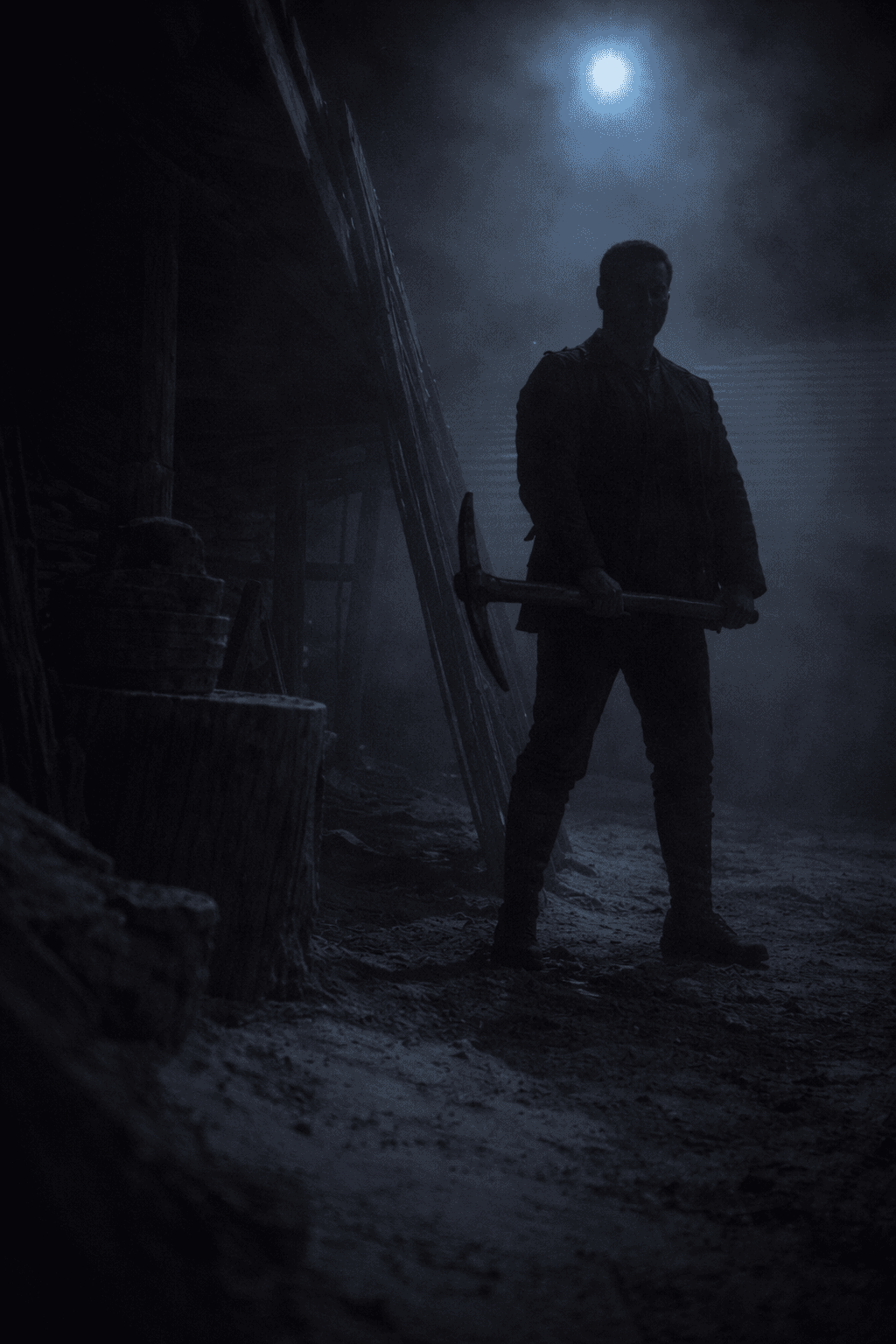
Six family members brutally murdered with farm tools at isolated Bavarian farmhouse. Killer may have lived in house for days after massacre.
On March 31, 1922, six members of the Gruber family were found murdered at their remote farmhouse in Kaifeck, Bavaria. Andreas Gruber (63), his wife Viktoria (45), their daughter Cäzilia (7), and maid Maria Baumgartner (44) were killed with a mattock - a farming tool similar to a pickaxe. The killer had apparently lived in the house for several days after the murders, feeding the livestock and eating meals. Strange footprints in the snow leading from the forest to the farm - but not leading away - had been discovered days before the murders. The family's newspaper had been read, food consumed from the pantry, and smoke seen rising from the chimney. Despite being one of Germany's most investigated crimes, the case remains unsolved after 100 years, with over 100 suspects questioned but no arrests made.
Crime Scene Physical Evidence and Forensic Analysis
Post-Murder Activity Documentation
Pre-Murder Warning Signs and Strange Occurrences
Suspect Investigation Files and Modern Forensic Review
"The coffee was still warm on the stove, and someone had been feeding the animals. The cows were milked, and fresh hay was in the stalls. Someone had been living here while the bodies lay dead."
Lorenz Schlittenbauer was Andreas Gruber's neighbor and close friend who discovered the bodies on April 4, 1922. As a local farmer familiar with the Gruber family's daily routines, Schlittenbauer immediately recognized the disturbing signs that someone had maintained normal farm operations for days after the murders. His testimony proved crucial in establishing the timeline and the killer's bizarre post-murder behavior of remaining at the scene.
"My daughter was frightened working there. She said the house felt evil, that she heard footsteps at night when the family was asleep. She begged me to let her quit, saying something terrible would happen."
Maria Baumgartner Sr. was the mother of the family's previous maid who had quit six months before the murders. Her daughter's premonitions and reports of strange occurrences at the Gruber house proved tragically prophetic. As a local resident familiar with both families, her testimony provided crucial insight into the atmosphere of fear that had developed at Hinterkaifeck in the months leading up to the massacre.
SHOW 1 MORE WITNESS STATEMENT
"We saw smoke coming from the chimney on Sunday and Monday, but no one answered when we called. Andreas was always working outside - it was strange not to see him for so many days."
Jakob Sigl was a neighboring farmer who observed the Gruber property in the days following the murders. His testimony helped establish that the killer remained in the house for multiple days, maintaining fires and normal household activities. As someone who interacted with the Gruber family regularly and knew their habits, Sigl's observations of unusual activity provided critical evidence for the timeline of the killer's extended stay at the scene.
Family Member Theory
Many investigators believe the killer was Viktoria's husband, Karl Gabriel, officially declared dead in World War I but possibly still alive. Viktoria had been receiving anonymous letters claiming Gabriel would return, and neighbors reported seeing a strange man near the property. This theory explains the killer's intimate knowledge of the house layout and daily routines.
The killer's comfort level - staying for days, caring for animals, eating meals - suggests someone who belonged there. Gabriel's military training would explain the methodical nature of the murders and ability to kill six people quickly.
However, no concrete evidence of Gabriel's survival exists, and his body was never found to confirm death or provide DNA comparison. Why would he kill his own daughter Cäzilia? The theory raises as many questions as it answers about motive and opportunity.
Robbery Gone Wrong
Local authorities initially suspected robbery as the motive, given reports that Andreas Gruber kept large amounts of cash hidden on the property. The killer may have intended a simple burglary but was discovered by family members, leading to the massacre to eliminate witnesses. The days spent in the house afterward could represent time needed to thoroughly search for hidden money.
This theory explains why the killer remained - continuing the search while maintaining normal appearances by feeding livestock and keeping the fire burning. Several transient workers had recently worked at neighboring farms and would know about Gruber's rumored wealth.
Yet no significant money was reported missing, and the systematic nature of the killings suggests premeditation rather than panic. Why kill the young Cäzilia if eliminating witnesses was the only goal? The careful post-murder behavior seems inconsistent with a panicked burglar.
Incestuous Relationship Cover-up
A disturbing theory suggests Andreas Gruber was having an incestuous relationship with his daughter Viktoria, and killed the family to prevent exposure. This theory emerged from rumors about the true paternity of Viktoria's children and unusual family dynamics noted by neighbors. The comfortable post-murder behavior would be explained by Gruber's familiarity with his own property.
Neighbors had whispered about the inappropriate closeness between father and daughter, especially after her husband's presumed death. The theory suggests Gruber snapped when confronted or threatened with exposure, then remained in the house planning his next move before ultimately fleeing.
This theory faces significant problems: Gruber himself was found dead, killed by the same weapon. Unless he committed suicide afterward - for which no evidence exists - this theory requires a different perpetrator. It also relies heavily on unsubstantiated gossip rather than concrete evidence, making it more speculation than viable explanation.
Occult Ritual Theory
Some researchers propose the murders were part of an occult ritual or satanic practice, pointing to the systematic nature of the killings and the bizarre post-murder behavior. The killer's choice to remain in the house for days, consuming meals and maintaining normal routines, resembles ritualistic behavior documented in other occult-related crimes. The mattock used as weapon could represent symbolic earth-breaking in ritual context.
This theory gained traction during the 1970s when occult crime was frequently investigated. The methodical killing of each family member and the killer's apparent comfort with death and corpses suggests possible ritualistic desensitization. The isolation of the farmhouse would provide perfect privacy for extended ritual activity.
However, no occult symbols were found at the scene, and 1920s rural Bavaria had little documented occult activity. The theory relies more on the unusual aspects of the crime than actual evidence of ritual practice. Modern criminal psychology offers more plausible explanations for the killer's post-murder behavior without invoking supernatural motivations.
Unknown Drifter Theory
Investigators have long considered that a transient drifter or war veteran with psychological trauma committed the murders. Germany in 1922 had many displaced persons and traumatized ex-soldiers wandering the countryside seeking work or shelter. Such an individual could have observed the family's routines, planned the attack, and felt comfortable remaining in the house due to mental instability or desperation.
The footprints in snow leading to but not from the property support this theory - someone arrived, committed the murders, then remained hidden. Post-war trauma could explain both the violence and the bizarre aftermath behavior. The killer may have been seeking shelter and food, with murder as an unfortunate consequence of discovery or confrontation.
Yet this theory struggles with the intimate knowledge the killer displayed about the property layout and family routines. A random drifter would unlikely know where to find tools, animal feed, or food stores. The systematic nature suggests familiarity rather than desperation, making the unknown drifter explanation less compelling than theories involving someone connected to the family.
The Hinterkaifeck murders remain one of Europe's most perplexing unsolved cases. While the physical evidence is substantial and the timeline established, the killer's identity remains unknown. The most disturbing aspect - that someone lived in the house for days after the massacre - suggests either extreme psychological disturbance or intimate familiarity with the property. Multiple credible suspects emerged over decades, but none could be definitively linked to the crime. The case demonstrates how even with preserved evidence and extensive investigation, some mysteries resist solution.